Libya’s eastern and western legislative bodies have agreed to unify public spending for the first time in over 13 years, marking a breakthrough in the oil-rich nation’s divisions, the central bank announced Saturday.
Advertisements
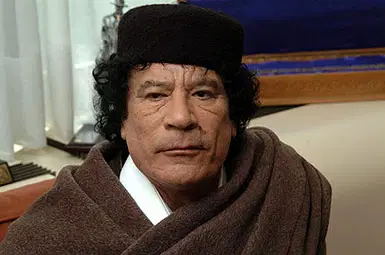
The US-mediated pact, signed by Issa Al-Arebi of Benghazi’s House of Representatives and Abdul Jalil Al-Shawish of Tripoli’s High Council of State, aims to consolidate fiscal policy amid ongoing splits between Prime Minister Abdulhamid Dbeibah’s UN-recognized government and Khalifa Haftar’s eastern forces—a stalemate rooted in the 2011 fall of Muammar Gaddafi.
Advertisements
Despite $22 billion in oil revenues last year (up 15%), Libya grapples with a $9 billion foreign currency shortfall and recent dinar devaluations. The bank hailed the deal as “real progress” toward financial stability, crediting US mediation, including Trump adviser Massad Boulos.
Prime Minister Dbeibah called it promising but stressed the need for commitment to deliver results for citizens. Libya, with Africa’s largest oil reserves (48.4 billion barrels), produces 1.5 million barrels daily and targets two million.on
Advertisements