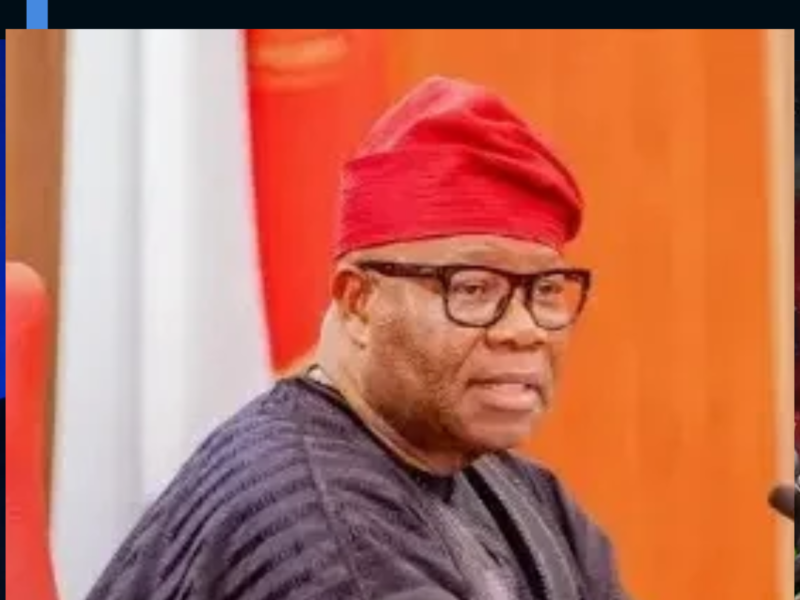
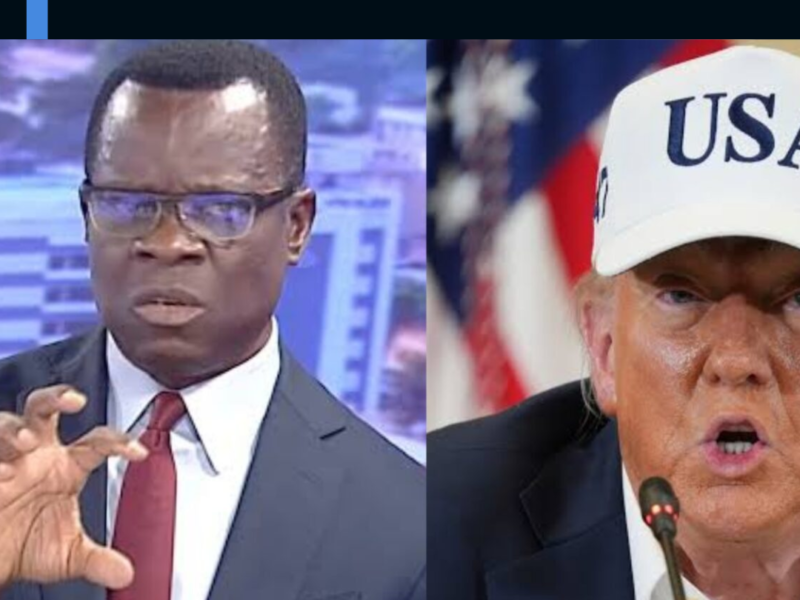
Former Lagos State Governor, Babatunde Fashola, has described Atiku Abubakar’s proposal to restore fuel subsidy if elected president in 2027 as unrealistic.
Advertisements
Fashola made the remarks during an interview on Channels Television’s Politics Today on Tuesday.
Advertisements
He challenged the former vice-president to explain how the subsidy would be funded, particularly given Nigeria’s crude-oil production challenges and insecurity in oil-producing areas.
Fashola’s argument
Fashola questioned where the crude oil needed to supply local refineries and sustain a subsidy arrangement would come from.
“If we have refineries working, what is our current oil quota? Are we optimising it yet? No, because they are legacy issues, challenges with security people, vandalism. So where is this magic crude oil going to come from? People are entitled to ask,” he said.
He said Atiku must show that the proposal can work rather than rely on promises to win public support.
“If he can explain, good, let the people choose. But without proof, it is like abracadabra,” Fashola said.
The former minister stressed that his criticism was aimed at the policy, not Atiku personally.
Atiku announced in August 2026 that he would restore fuel subsidy if elected president in 2027.
He proposed a temporary, audited arrangement focused on petroleum products refined locally. According to his position, the policy would help reduce fuel and transportation costs and ease the burden on households.
The proposal is intended to address the cost-of-living pressure that followed the removal of fuel subsidy under President Bola Tinubu.
Fashola argued that returning subsidy would require legislative changes, because lawmakers would need to amend the existing legal framework to accommodate the policy.
He questioned whether members of the National Assembly would support such a move, given its implications for public finances.
He also drew on his experience in the Buhari administration, saying subsidy payments had previously reduced funds available to state governments.
“I was in a government that was paying subsidy, and the states were not getting money. So are we going to go back to partial, near-zero returns, states borrowing money to pay salaries? Is that where you want us to go?” he asked.
Fashola also questioned the consistency of Atiku’s position, noting that the former vice-president supported subsidy removal during the 2023 presidential campaign.
Fuel subsidy removal was one of the most consequential economic decisions of the Tinubu administration. The President announced it during his inauguration on May 29, 2023, as part of broader economic reforms
Supporters of removal argue that it freed public funds for other priorities and reduced a major fiscal burden. Critics counter that the policy contributed to higher transport, food and living costs, affecting low-income households most severely.
Atiku’s proposal reflects that political tension: it seeks to relieve household costs, while Fashola argues that the fiscal and supply-side realities could make a return to subsidy difficult.
The debate should move beyond whether subsidy is “good” or “bad.” Nigerians should assess the details: the funding source, eligibility rules, monitoring mechanism, anti-corruption safeguards, effect on state allocations and plan for local refining capacity.
Fashola’s criticism does not settle the argument, but it puts the burden on Atiku to show how a subsidy reversal would avoid repeating the fiscal and administrative problems associated with the old regime.
Advertisements