The United Nations has cautioned that the international response to the Ebola outbreak in the Democratic Republic of the Congo (DRC) must accelerate urgently, as the death toll from the epidemic approaches 3,000.
Advertisements
UN Emergency Relief Coordinator Tom Fletcher said the outbreak was spreading faster than containment measures, despite a substantial scale-up in efforts by humanitarian agencies and Congolese authorities.
Advertisements
Ebola is transmitted through direct contact with the blood or bodily fluids of an infected person, or with contaminated materials, making early detection and isolation essential to breaking chains of transmission.
“The response is growing and has been scaled up, but the virus is moving faster,” Fletcher said. “And unless we scale up urgently, more lives will be lost and the threat will grow.”
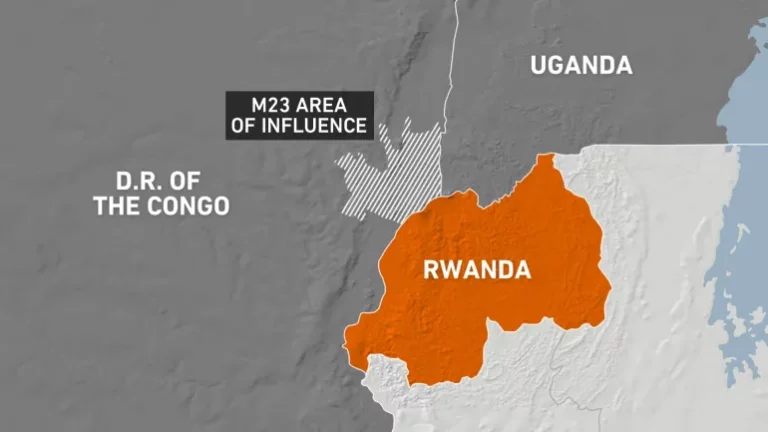
According to figures reported by DRC authorities as of Monday, the country has recorded more than 6,100 confirmed cases and 2,950 deaths, with over 5,000 infections concentrated in Ituri Province alone. The data highlight the unusual speed of the outbreak, caused by the Bundibugyo strain of the virus and formally declared in the DRC on May 15. Officials say it is spreading at a markedly faster pace than the 2014–2016 West Africa Ebola epidemic, one of the deadliest on record.
Fletcher said bringing the outbreak under control would require sustained political commitment, unimpeded humanitarian access, and a significant increase in international financing.
“We have the experience, the tools and extraordinary people risking their lives to stop this epidemic. What we need now is political will, access and resources,” he said.
The UN relief chief called on governments to guarantee humanitarian workers safe access to affected communities, particularly in areas where insecurity and weak infrastructure are hampering response efforts. He further urged the international community to keep Ebola prominent on the global agenda to prevent further spread.
A funding shortfall of roughly $1.1 billion remains, constraining agencies’ ability to expand surveillance, treatment, community mobilisation, and cross-border preparedness. Fletcher said his office had released more than $57 million from the UN Central Emergency Response Fund to support response and preparedness efforts in the DRC and neighbouring countries, adding that closing the funding gap and halting further spread would ultimately hinge on whether governments and international partners matched technical capacity with political will.
The UN maintains that the tools needed to contain Ebola already exist, but has warned that delayed financing, restricted access, and weak coordination could allow the virus to outpace the response.
Separately, the World Health Organisation recently declared Uganda’s most recent Ebola outbreak over, crediting rapid detection, contact tracing, isolation, clinical care, infection prevention, and strengthened surveillance for the outcome.
“We have beaten Ebola before, and we can do it again,” Fletcher said.
The UN’s International Organization for Migration said it has carried out nearly 23 million health screenings across the DRC and neighbouring countries. UN Spokesperson Stéphane Dujarric said the screenings were helping authorities track population movements, identify possible cases, and reduce the risk of cross-border transmission.
Advertisements