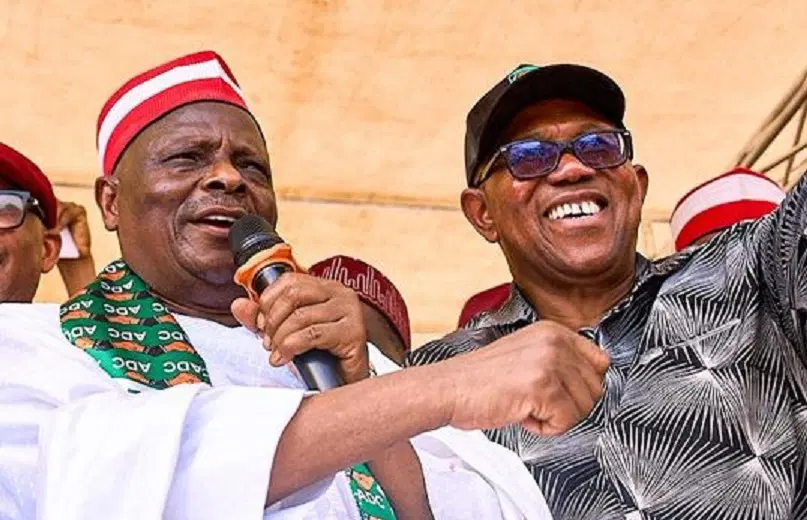
A coordinated push within the African Democratic Congress (ADC) to pair Peter Obi and Rabiu Musa Kwankwaso on a joint presidential ticket for 2027 is gaining visible momentum, even as it exposes underlying tensions about who will ultimately secure the party’s nomination.
Advertisements
What started as grassroots enthusiasm among supporters has evolved into a structured, nationwide campaign that party leaders can no longer overlook. The central question now quietly circulating within ADC circles is whether the party can remain cohesive once the real battle for the ticket begins in earnest.
Advertisements
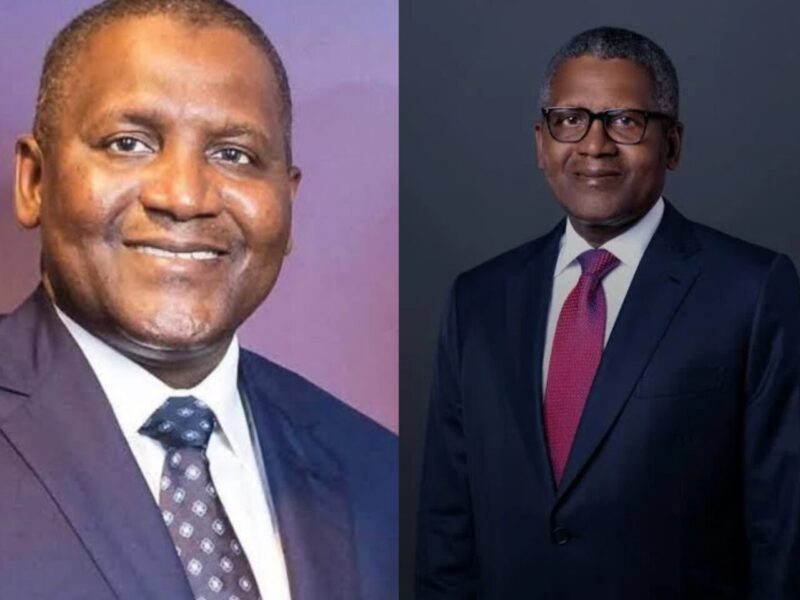
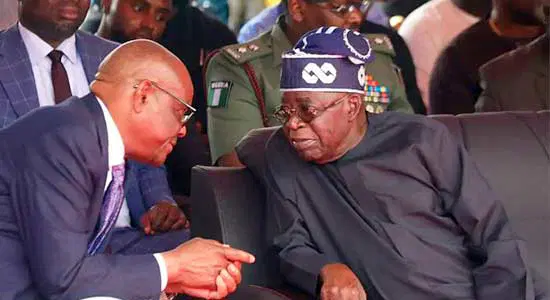
The stakes are heightened by the calibre of figures the ADC has recently attracted. Under the chairmanship of David Mark and the secretaryship of Rauf Aregbesola, the party has drawn in heavyweights including Atiku Abubakar, Peter Obi, Rabiu Musa Kwankwaso, Rotimi Amaechi, and Mohammed Hayatu-Deen, fuelling hopes that the ADC could become a credible opposition force in the next general election.
Central to the latest wave of activity is the Obi–Kwankwaso (OK) Movement, which was formally unveiled in Abuja and now claims structures across all 36 states and the Federal Capital Territory. Its national publicity secretary, Justin Ijeh, described it as far more than a support group, framing it instead as a national vehicle for reform that deliberately rejects ethnic, regional, and religious politics.
Proponents of the alliance argue that the pairing is strategically compelling — combining Obi’s appeal among younger voters with Kwankwaso’s entrenched support across the north. Yunusa Tanko of the Obidient Movement noted that conversations about such a collaboration have been ongoing since 2023, suggesting the idea has deeper roots than recent headlines imply.
Yet the picture inside the party is considerably more complicated. Atiku Abubakar, drawing on decades of national political infrastructure, remains firmly in contention and has given no indication he intends to yield. Kwankwaso, for his part, has consistently pushed back against the assumption that he would accept a subordinate role, insisting that the party’s own processes must determine outcomes.
Party leadership has sought to frame the internal agitation as routine rather than alarming. Spokesman Bolaji Abdullahi stated that members expressing preferences is a normal part of party life, provided no rules are violated.
Obi himself has continued to call for opposition solidarity, repeatedly urging political actors to prioritise collective purpose over individual ambition as the 2027 cycle accelerates.
External reactions have been more varied. Former Ekiti governor Ayodele Fayose acknowledged Obi’s personal qualities while expressing scepticism about his presidential prospects, suggesting the ADC’s fortunes may hinge heavily on whether he is on the ballot. A political associate of Obi, Ibrahim Abdulkarim, went further, claiming Kwankwaso has privately agreed to serve as running mate — a claim that, if accurate, would significantly alter the internal dynamics.
Among supporters on the ground, the mood is less tentative. Kwankwaso backer Abba Gwale described the proposed joint ticket as the right path forward, expressing confidence that an Obi–Kwankwaso presidency would mark a turning point for Nigeria.
Analysts, however, advise restraint. Political commentator Thaddy Asogwa acknowledged the alliance’s potential to disrupt established voter alignments and redraw political loyalties across regions, but raised the more fundamental question of whether early momentum can be converted into actual votes when it counts.
For now, no significant faction within the ADC has publicly broken away, and the party maintains that its internal procedures will determine its candidate. But with ambitions hardening and behind-the-scenes alignments quietly forming, the contest for the 2027 ADC ticket is effectively already underway.
Advertisements