Budgetary allocations for personnel costs in several federal universities have significantly increased, following the Federal Government’s approval of a 40 per cent pay rise for academic staff and the introduction of new enhanced allowance packages, Saturday PUNCH investigations have revealed.
An analysis of the 2026 budget estimates shows that the personnel allocations for the top 20 federal universities rose from ₦438.85 billion in 2025 to ₦533.1 billion in 2026 — a jump of ₦94.25 billion, representing about a 22 per cent increase within one fiscal year.
This development comes after the Federal Government and the Academic Staff Union of Universities (ASUU) reached a landmark agreement on Wednesday, bringing an end to a 16-year impasse over the renegotiation of the 2009 FGN–ASUU agreement. The new accord has raised hopes of better welfare, stable funding, and sustained industrial peace within Nigeria’s university system.
As part of the agreement, lecturers across all federal institutions will receive a 40 per cent salary increase, alongside a new “professorial cadre allowance,” which grants professors a monthly top-up exceeding ₦140,000.
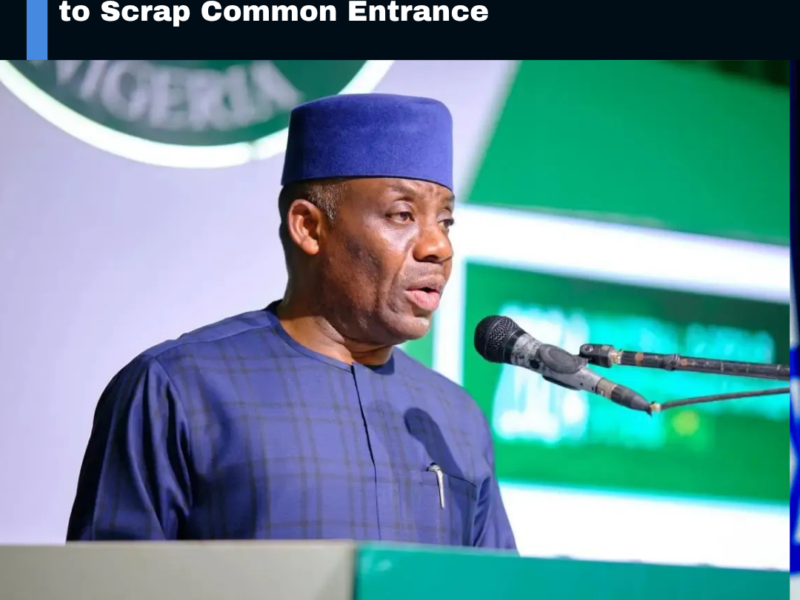
Minister of Education, Dr. Tunji Alausa, confirmed that provisions had been made to fund the improved remuneration package. Speaking on Channels Television’s Politics Today on Thursday, Alausa explained that the approved funding covers both the salary adjustments and the restructured academic allowances.
“A professor will now receive a monthly top-up of over ₦140,000 as President Tinubu has approved a new category of allowance for academic staff known as the professorial cadre allowance,” Alausa said. “We now have the resources to support the 40 per cent salary increase for lecturers across all institutions, as well as the nine enhanced Earned Academic Allowances, which are now properly defined.”
According to him, the revised allowances addressed long-standing demands by the lecturers’ union and were clearly structured under the new agreement.
In the 2026 national budget, the Federal Government earmarked ₦3.52 trillion for education — representing 6.1 per cent of the ₦58.18 trillion total expenditure. The breakdown includes ₦113.76 billion for major education interventions, ₦42 billion for the National Home Grown School Feeding Programme, and ₦35 billion to reduce the number of out-of-school children.
Additionally, ₦28 billion was allocated for security infrastructure across the 118 Federal Unity Colleges, while ₦5.2 billion was set aside for the upkeep of 1,532 Nigerian students studying abroad under the Bilateral Education Programme.
Personnel costs — also known as personnel emoluments — constitute a major portion of Nigeria’s recurrent expenditure and cover salaries, allowances, pensions, gratuities, and related items for all Ministries, Departments, and Agencies (MDAs). These expenses are centrally managed through the Integrated Personnel and Payroll Information System (IPPIS) to ensure accuracy and eliminate ghost workers.
While the full details of the recurrent and capital components of the education budget are yet to be published, data from the Budget Office indicates a clear rise in personnel spending across key federal universities.
Beneficiary institutions include the University of Ibadan, University of Lagos, University of Nigeria Nsukka, Ahmadu Bello University, Obafemi Awolowo University, University of Benin, University of Jos, University of Calabar, University of Ilorin, and University of Abuja. Others are the University of Port Harcourt, Abubakar Tafawa Balewa University, Federal University of Technology Owerri, Federal University of Technology Akure, Modibbo Adama University, University of Uyo, University of Maiduguri, Nnamdi Azikiwe University, Bayero University Kano, and Usman Dan Fodio University Sokoto.
Of these, the University of Ibadan recorded the highest increase in personnel expenditure — rising from ₦25.13 billion in 2025 to ₦37.52 billion in 2026, an increase of about ₦12.4 billion.