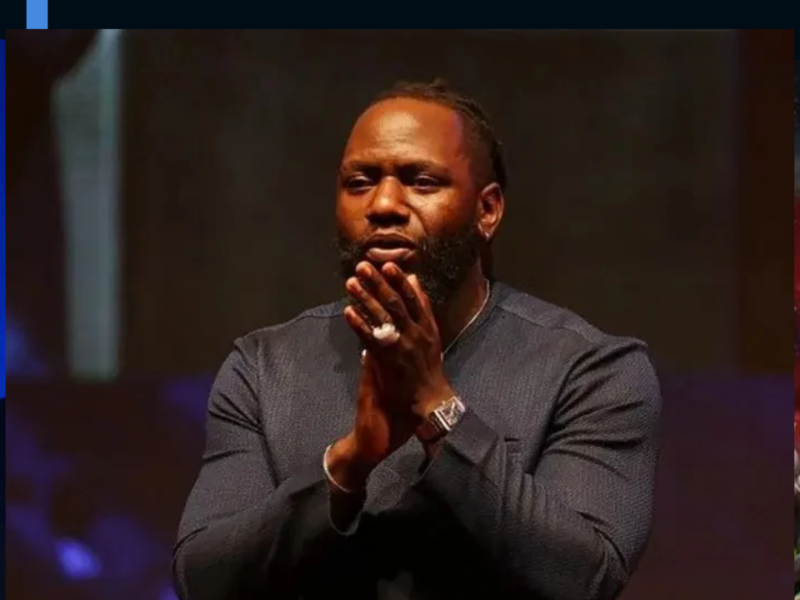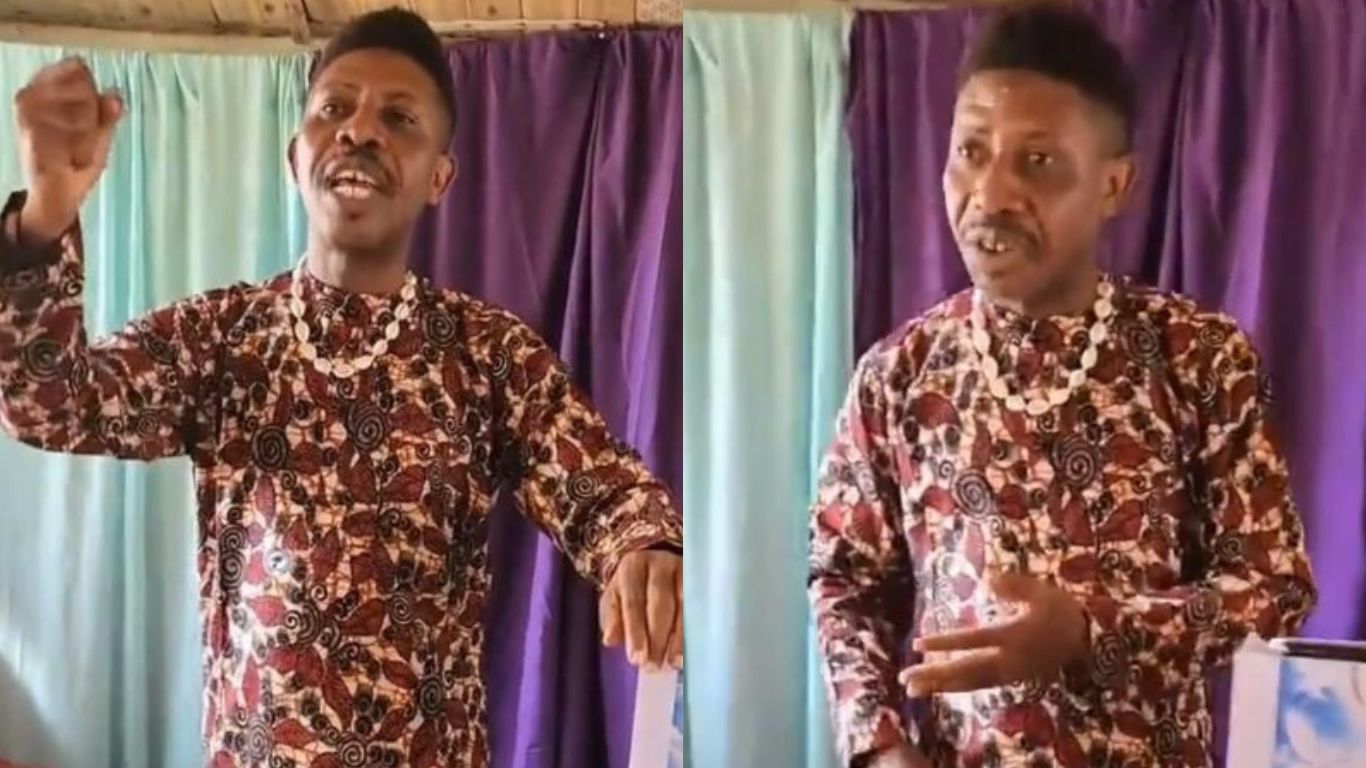
A Nigerian prophet, Abubakar, has sparked reactions online after describing the church as a lucrative business and saying he would eventually hand over his ministry to one of his children.
Advertisements
In a viral video shared online, the cleric questioned why some prominent pastors ordain their children to take over their ministries instead of choosing leaders outside their families.
Advertisements
He argued that many pastors are unwilling to leave what they have built to people they barely know.
What he said
Abubakar told his congregation that the church was “a very lucrative, powerful business.”
“That’s why these big pastors you see now are ordaining their children. Instead of handing over the business to someone they don’t know, it’s one of the best businesses,” he said.
He added that pastors would not leave their ministries to someone they do not know or someone the Holy Spirit ordained.
“When I get old enough, I will find one of my sons and ordain him into the business. Abi, my own go dey different? So one of you should start warming up because very soon you will take over this business,” he said.
Why the remarks are controversial
The comments are controversial because they reduce a spiritual institution to a commercial venture.
They also raise a governance question: if a church is treated as a family business, who protects the interests of members, staff and donors?
The cleric’s remarks do not establish that every church operates this way. They are his personal view and his stated plan for his own ministry.
Family succession in Nigerian churches
Family succession is common in Nigerian religious institutions. Many large ministries have passed leadership from founders to children or relatives.
Supporters say it preserves vision, stability and continuity. Critics say it can turn a church into a family asset and exclude capable leaders outside the founder’s household.
The real issue is not whether a founder’s child can lead. It is whether the process is transparent, merit-based and accountable to the congregation.
A healthy church succession process should include:
-
Clear rules in the church’s constitution or governing documents.
-
A transparent selection process.
-
Defined roles for trustees, elders and other leaders.
-
Financial accountability and independent oversight.
-
A plan that protects members’ interests, not just the founder’s family.
Without those safeguards, succession can become a private transfer of power rather than a spiritual transition.
Calling the church a business is not automatically wrong. Churches have staff, budgets, buildings, media and administration.
But a church is not only a business. It is also a spiritual community with moral duties to its members.
When a leader openly describes ministry as a lucrative business and plans to hand it to a child, members may reasonably ask whether the church is being run for faith or for family advantage.
Abubakar’s remarks have reignited a debate about church leadership and succession in Nigeria.
The question is not whether his son can lead. It is whether the process will be open, accountable and guided by the church’s own rules, rather than by family loyalty alone.
Advertisements