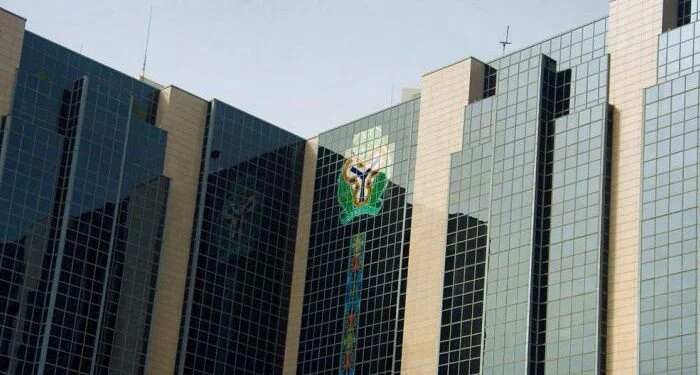
The House of Representatives on Thursday took initial legislative steps to strengthen transparency and accountability in the operations of the Central Bank of Nigeria, following the second reading of a bill seeking comprehensive amendments to the Central Bank of Nigeria Act, 1991.
Advertisements
The proposed legislation, co-sponsored by the House Leader, Prof Julius Ihonvbere, and Lagos lawmaker, Jesse Onakalausi, received unanimous support during plenary.
Advertisements
Titled “A Bill for an Act to Amend the Central Bank of Nigeria Act, 1991, to allow for proper day-to-day operations, professional oversight and enhance checks and balances, and for other matters connected thereto, 2025,” the bill responds to mounting concerns about gaps in governance and oversight at the apex bank—issues that gained national prominence following recent controversies surrounding monetary policy decisions, foreign exchange management, and the 2022 currency redesign.
Nigeria’s central banking framework has long been criticised for its weak corporate governance structure, particularly the concentration of operational and oversight powers in the office of the CBN Governor.
This fusion, analysts argue, contributed to years of opacity in policy formulation, excessive discretion in foreign exchange administration, and insufficient checks on fiscal financing through Ways and Means advances. These concerns set the backdrop for the latest legislative push.
Explaining the rationale behind the bill, Onakalausi said it arose from an urgent need to reinforce governance, autonomy, transparency, and accountability within the apex bank, “In light of recent national and global economic realities.”
Addressing lawmakers on the general principles of the proposed amendments, he emphasised the overarching responsibility of the central bank, noting that, “The CBN plays a central role in stabilising the financial system, ensuring monetary credibility, safeguarding price stability, and promoting public confidence in the Nigerian economy.”
Advertisements